
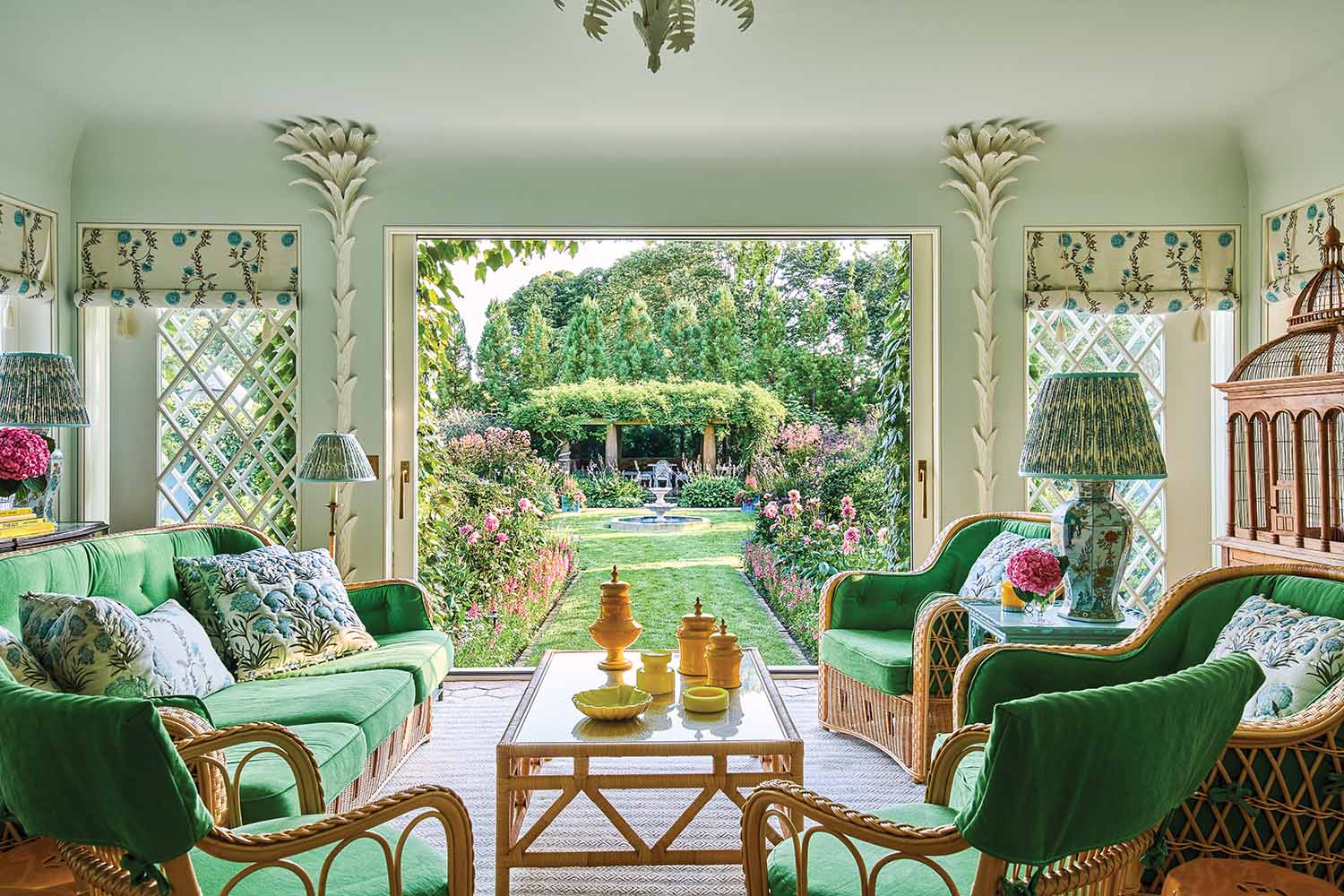
FRESH FEATURES
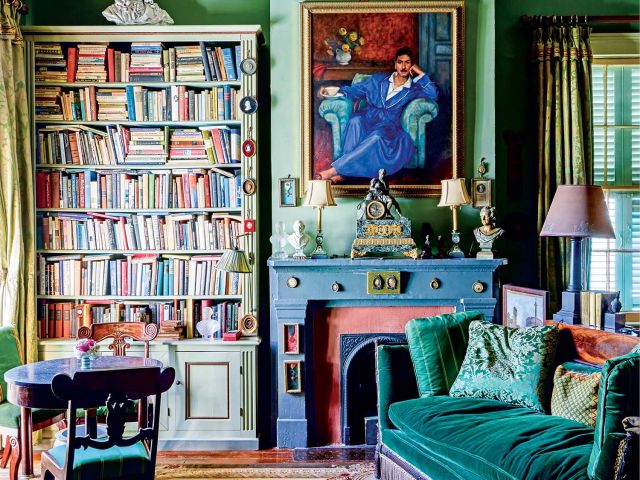
In an excerpt from their new book, BOHEMIAN SOUL: THE VANISHING INTERIORS OF NEW ORLEANS, writer Valorie Hart and Photographer Sara Essex Bradley draw back the curtains to celebrate the houses and owners who embody the essence of New Orleans' style and free-spirited character.
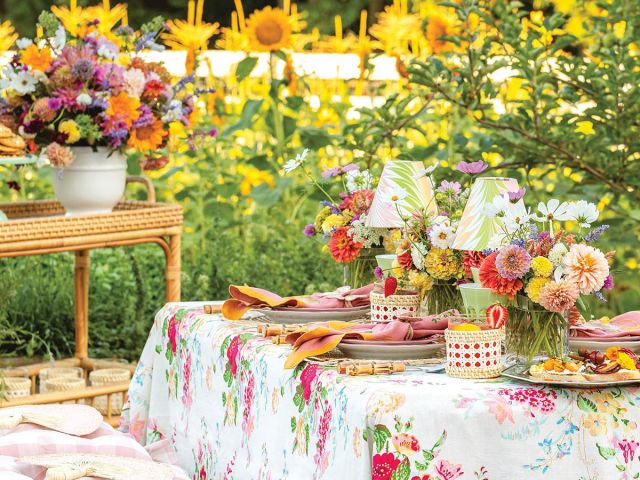
Nashville natives and renowned hostesses Mary Hollis Huddleston and Katie Jacobs put their expertise to work as they plan an afternoon gathering centered around a popular pastime.
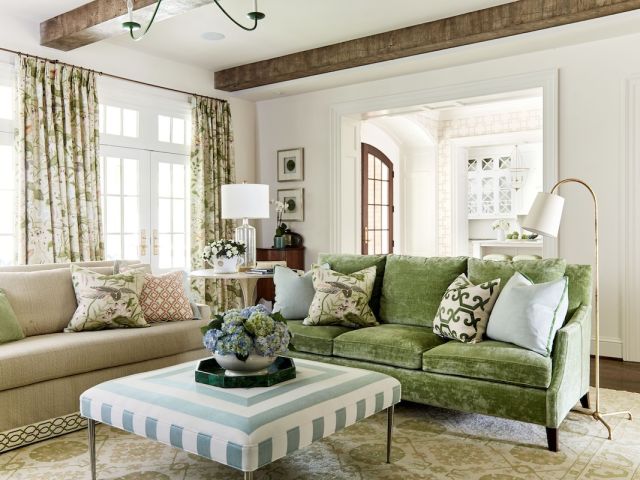
A high-quality sofa may be one of the most important and expensive decisions you make when decorating your home. Here's what to consider before you make that purchase.
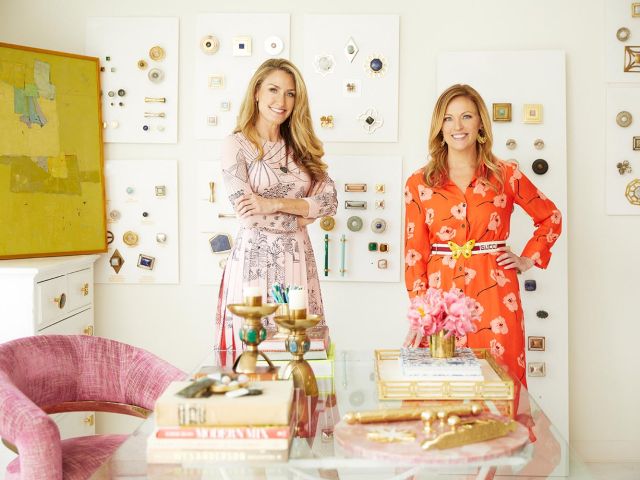
Modern Matter co-founder Katherine Mulford takes us on a tour of the luxury hardware company’s early beginnings, the successes along the way, and its road map for the future.
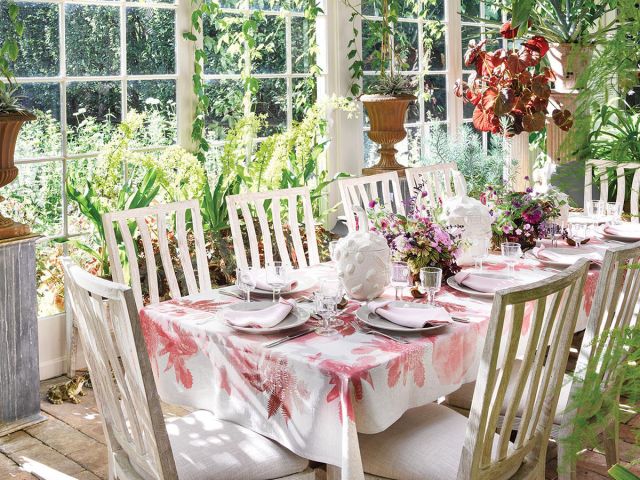
Editor-in-Chief Margot Shaw sat down with celebrated designer Bunny Williams to unpack her new book LIFE IN THE GARDEN.
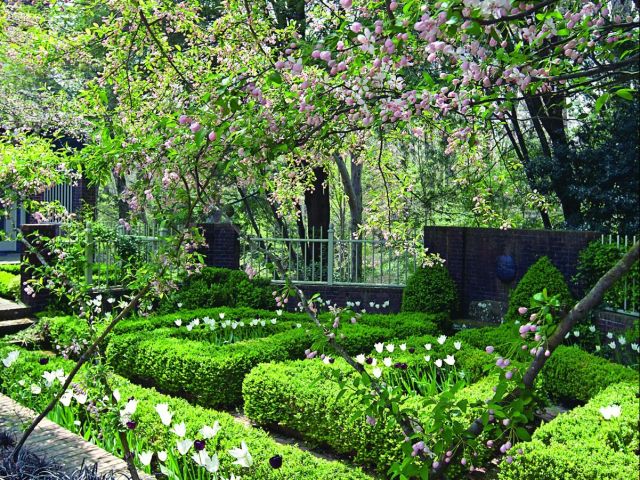
Louise Agee Wrinkle's garden in Mountain Brook, Alabama, has inspired a book and Garden Conservancy documentary film.
INTERIOR DESIGN
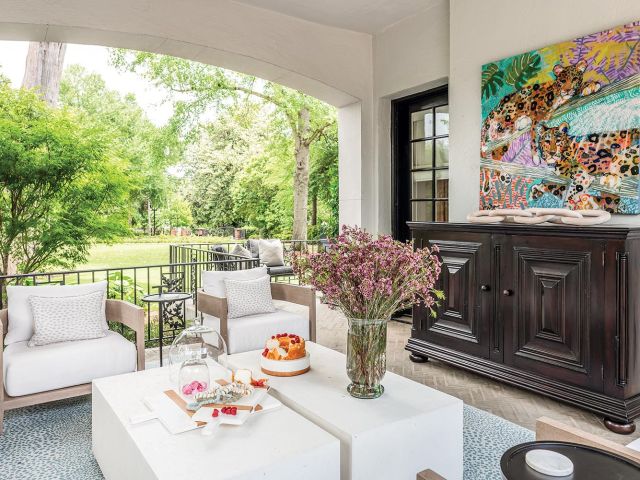
Designer Lauren Robbins shakes up a historic home in Augusta, Georgia, with an engaging palette, contemporary art, and a charismatic blend of old and new.
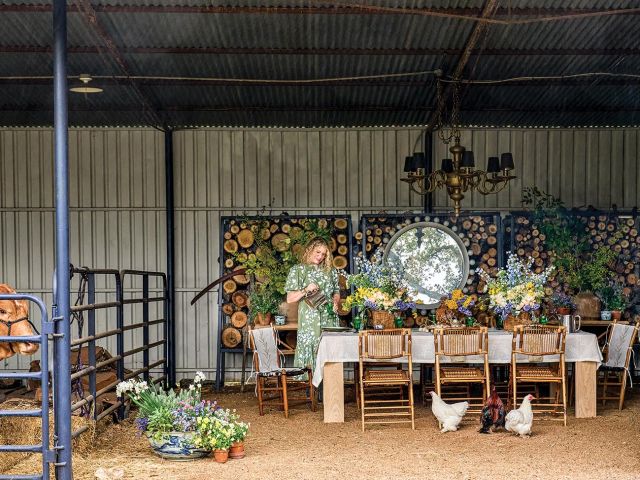
With the purchase of the Texas farmland she shares with her husband, designer Denise McGaha returns to her roots and finds the inspiration for her newest collection.
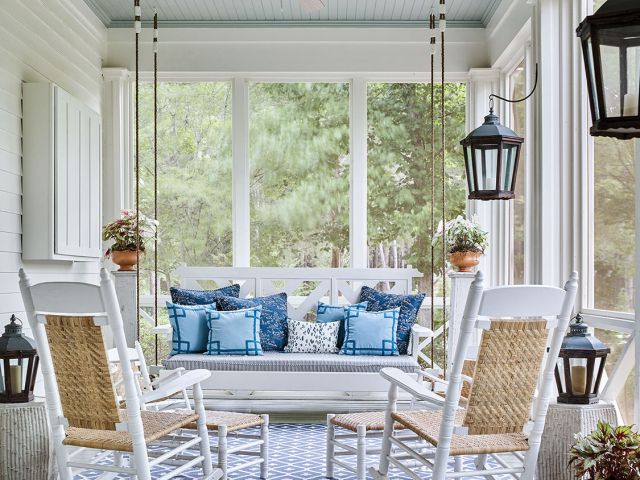
Late spring and early summer days draw us outside to entertain or just relax with a drink and a copy of FLOWER magazine. We’ve gathered more than two dozen idyllic porches and verandas featured in our pages to inspire your outdoor space refresh—or maybe just your daydreams.
Gardens
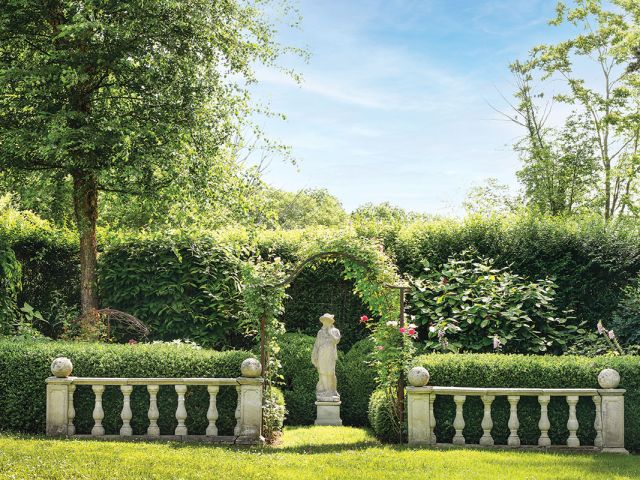
More than 30 years ago, Barbara Israel purchased a collection of estate statuary that changed her personal and professional life in a most artistic way.
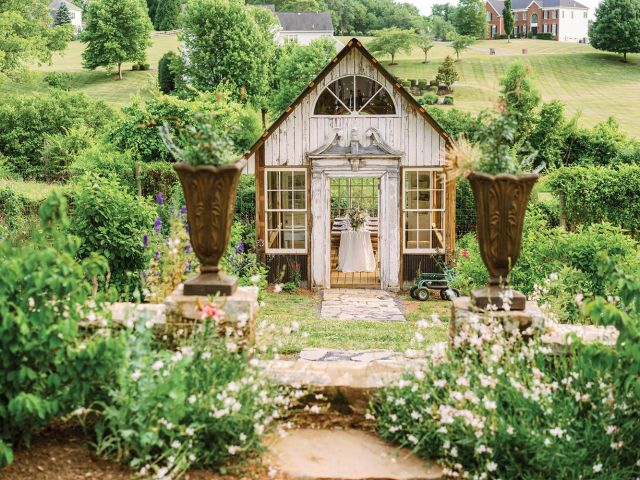
On her Virginia farm, floral designer Holly Heider Chapple draws from her own life experiences to share the restorative power of blooms.
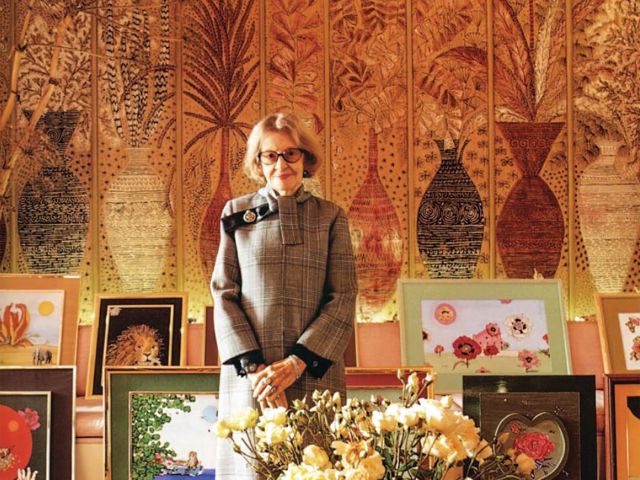
Artist, legendary editor, and society figure Fleur Cowles was as cheeky and iconoclastic in the way she used flowers as she was in every other aspect of her life.
Flower How-To’s
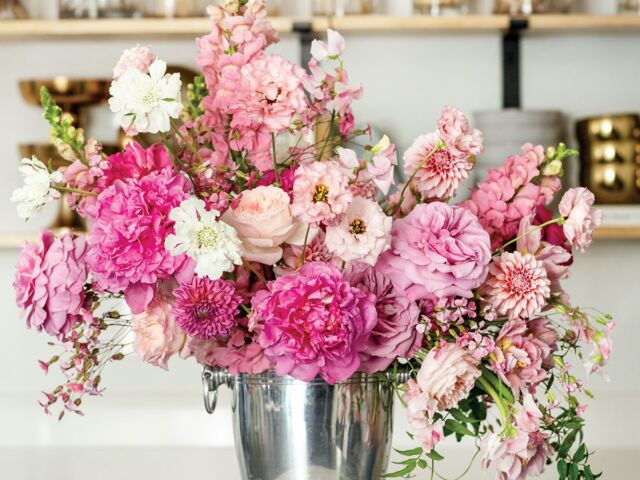
Floral design duo Molly Copa and Hattie Sloane of Austin-based Flora Fetish pair a passion for flowers with an artful eye to create living masterpieces.
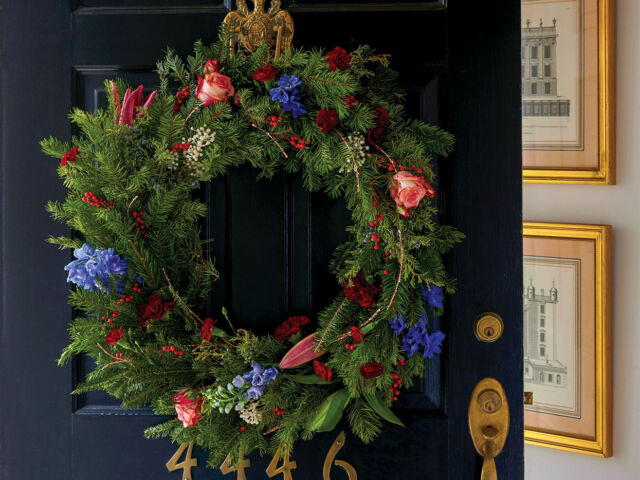
Eight noted designers share eight beautiful holiday wreaths in eight styles—each with a detailed how-to guide.
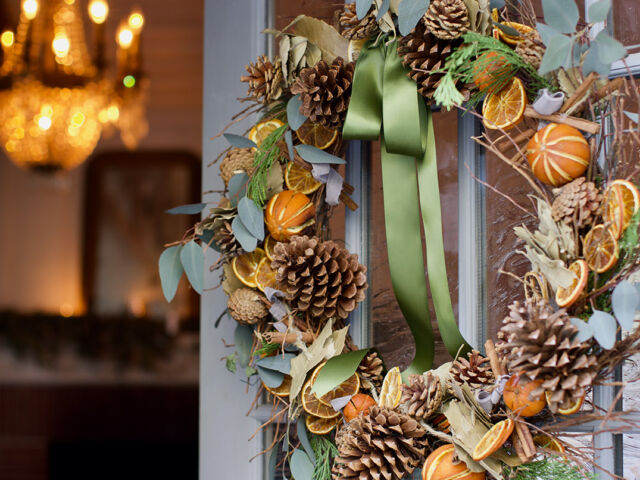
Follow along in an excerpted step-by-step how-to from Courtney Allison's book FRENCH COUNTRY COTTAGE CHRISTMAS.
Travel
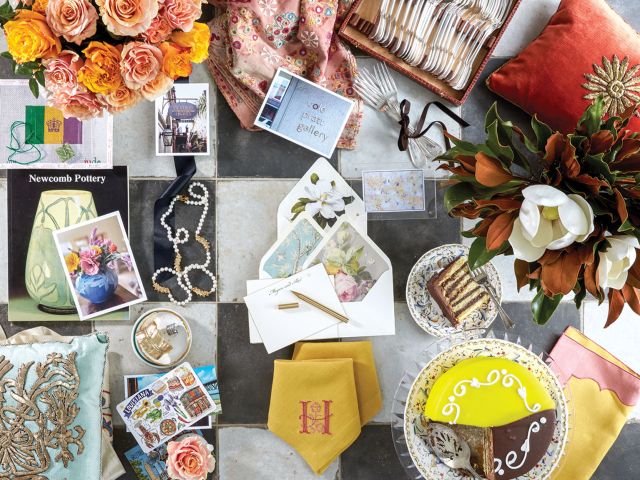
The home state of our Baton-Rouge Showhouse offers an abundance of treasures from beloved local vendors.
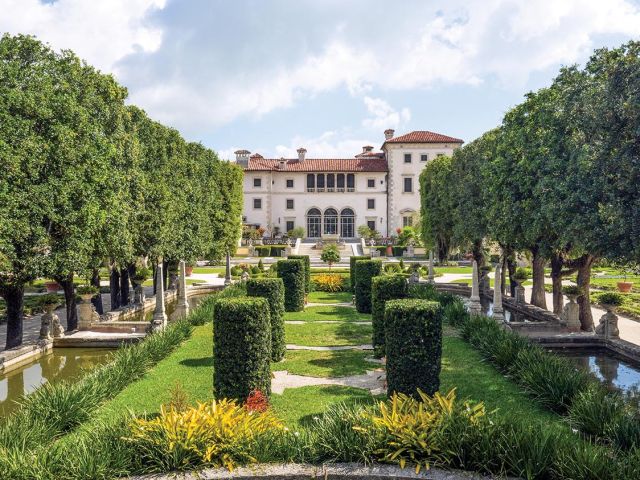
On Biscayne Bay in Miami sits Vizcaya, an early 1900s Italianate Villa surrounded by wonder-filled gardens, all steeped in history and timeless beauty.
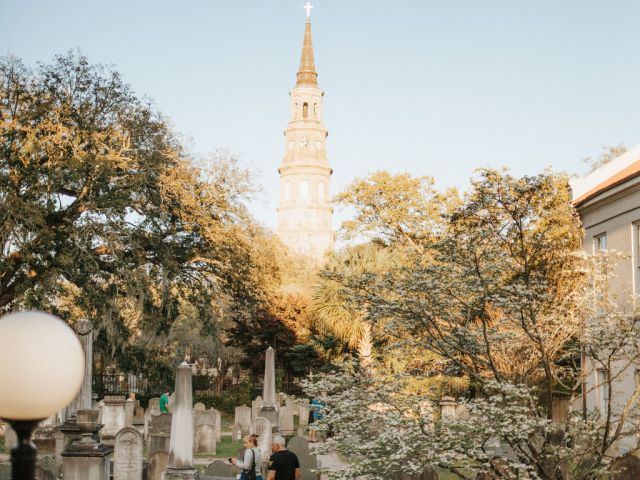
Formerly known as the Festival of Houses and Gardens, the newly reimagined Charleston Festival honors the city’s architecture, history, and culture during its 77th celebration.
Frequent excuses for not exercising – Food and Fitness safest steroids uk [in.tec] exercise bike/indoor cycling – white – exercise at home – fitness – spinning